
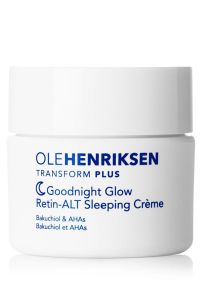
Is Bakuchiol better than retinol? I’ll let you decide after reading this post.
I’d like to believe that you’ve heard of the product retinol before. But in case you haven’t, retinol is probably the favorite product of the skincare world.
This is all thanks to its vitamin A derivative which is an anti-aging special ingredient that helps boost collagen production, smooth wrinkles and tackle age spots.
With all these amazing benefits, it’s not wrong to say that retinol has secured its position in our bathroom cabinets.
However, there is a new product that is quickly taking the spotlight from this magical skincare ingredient, and that is Bakuchiol. In fact, world-renowned dermatologists have termed it as a great alternative to Retinol and it has been getting rave reviews from die-hard fans.
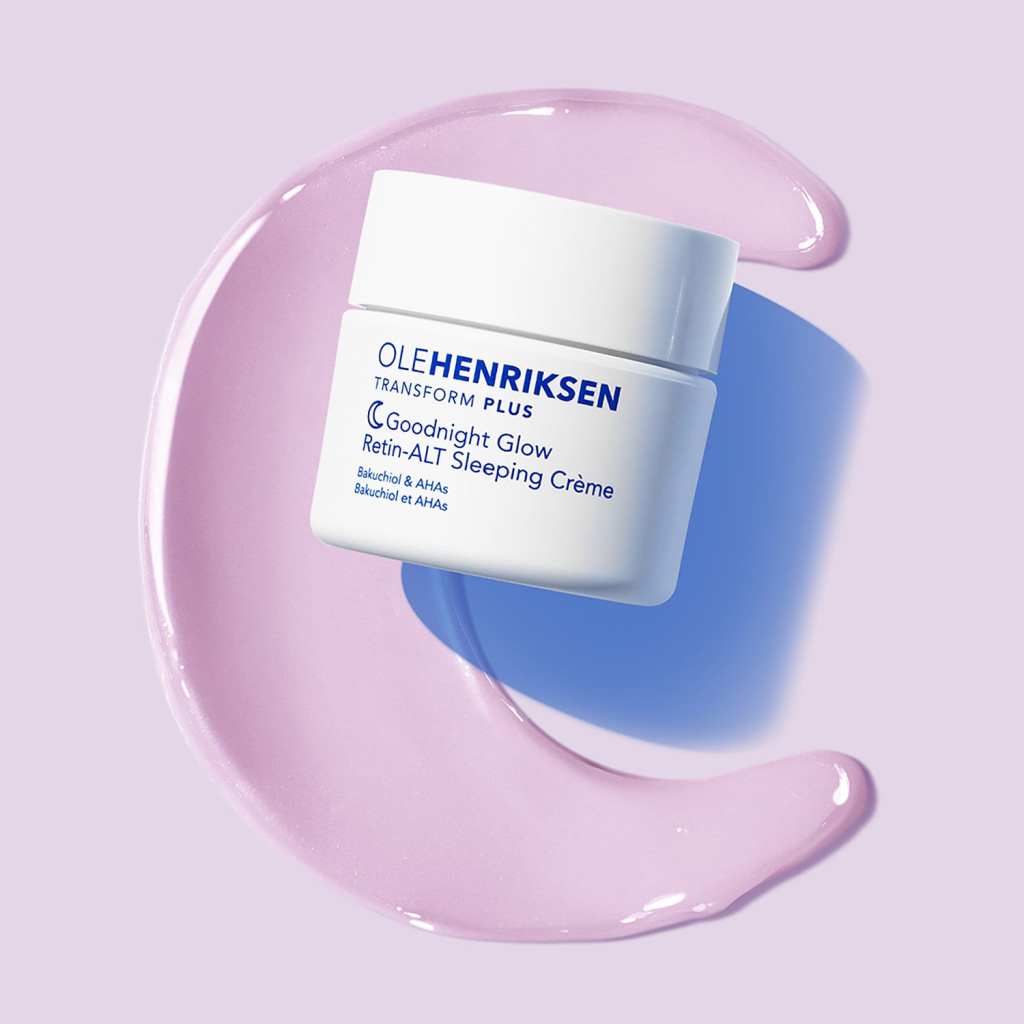
What is bakuchiol?
Bakuchiol—pronounced “buh-koo-chee-all”, Correct me if I’m wrong, is a plant extract that practically offers the same skin benefits that retinol does ie anti-aging properties, but without the irritation.
The main difference between the two is that Bakuchiol is completely natural. It is the potent, plant-based, natural alternative to Retinol.
Let’s take a look at a deeper definition
Bakuchiol is an ingredient derived from psoralea corylifolia plant, in simpler terms, the babchi tree. It has been used in Chinese and Indian restorative medicine for years and the reason why people love it is because it is completely natural and has minimum side effects.
As we speak, Bakuchiol is earning itself a reputation as a revolutionary anti-aging product and it’s setting the beauty world ablaze.
So many people are buzzing about it and that’s why we sought to find out. ‘Is Bakuchiol really worth the all the hype?’

What are the benefits of doing Skincare with Bakuchiol?
Bakuchiol is gentler on skincare than Retinol because it does not have the ‘Vitamin A’ component that causes irritation.
So, if you have sensitive skin, bakuchiol would be a much better alternative for you. In addition to this, when compared with retinol, the positive effects of bakuchiol tend to last for a longer period of time as compared to retinol.
That’s because it’s ingredients are much more balanced,which makes it possible for it to remain potent for a longer period of time.
People usually ask the question, ‘Why should I use Bakuchiol?’. Here’s why
Why Should You Use Bakuchiol?
Because science says so.
A study on Bakuchiol published in the International Journal of Cosmetic Science showed overwhelmingly positive results.
The results showed that Bakuchiol led to “significant improvement in lines and wrinkles, pigmentation, elasticity, firmness and overall reduction in photo-damage .
What skin types is bakuchiol good for?
Like I said, bakuchiol is much gentler on the skin. Therefore, it is suitable for people with all skin types. Those whose skin types are irritated by retinol could particularly benefit from this product.
Can you use bakuchiol and retinol?
Yes, you can and you should. There is no harm in using bakuchiol together with retinol. In fact, it might just give you better results!
In real sense, a collab between bakuchiol and retinol would be the best for your skin care routine. That’s because Bakuchiol will use its natural anti-aging prowess to boost the retinol and you will get amazing results.
How should you use Bakuchiol and Retinol?
The best way to utilize these two products together is by first applying your retinol cream or serum then following it up with your bakuchiol. The result: smoother and brighter skin.
Is Bakuchiol the Best Alternative to Retinol?
Yes, it is. If you have sensitive skin that cannot completely tolerate retinol, then bakuchiol is definitely the best alternative.
However, the issue of whether bakuchiol is better than retinol is completely subjective in my opinion. It goes without saying that millions of people have been using retinol for years and they have seen incredible results. On the other hand, bakuchiol is also showcasing an amazing performance on the stage of skincare.
The bottom line is that Bakuchiol is an excellent alternative to retinol. But whether you think it is better than retinol is completely up to you.
 MyLifestyleHealth